MENÚ
MENÚ

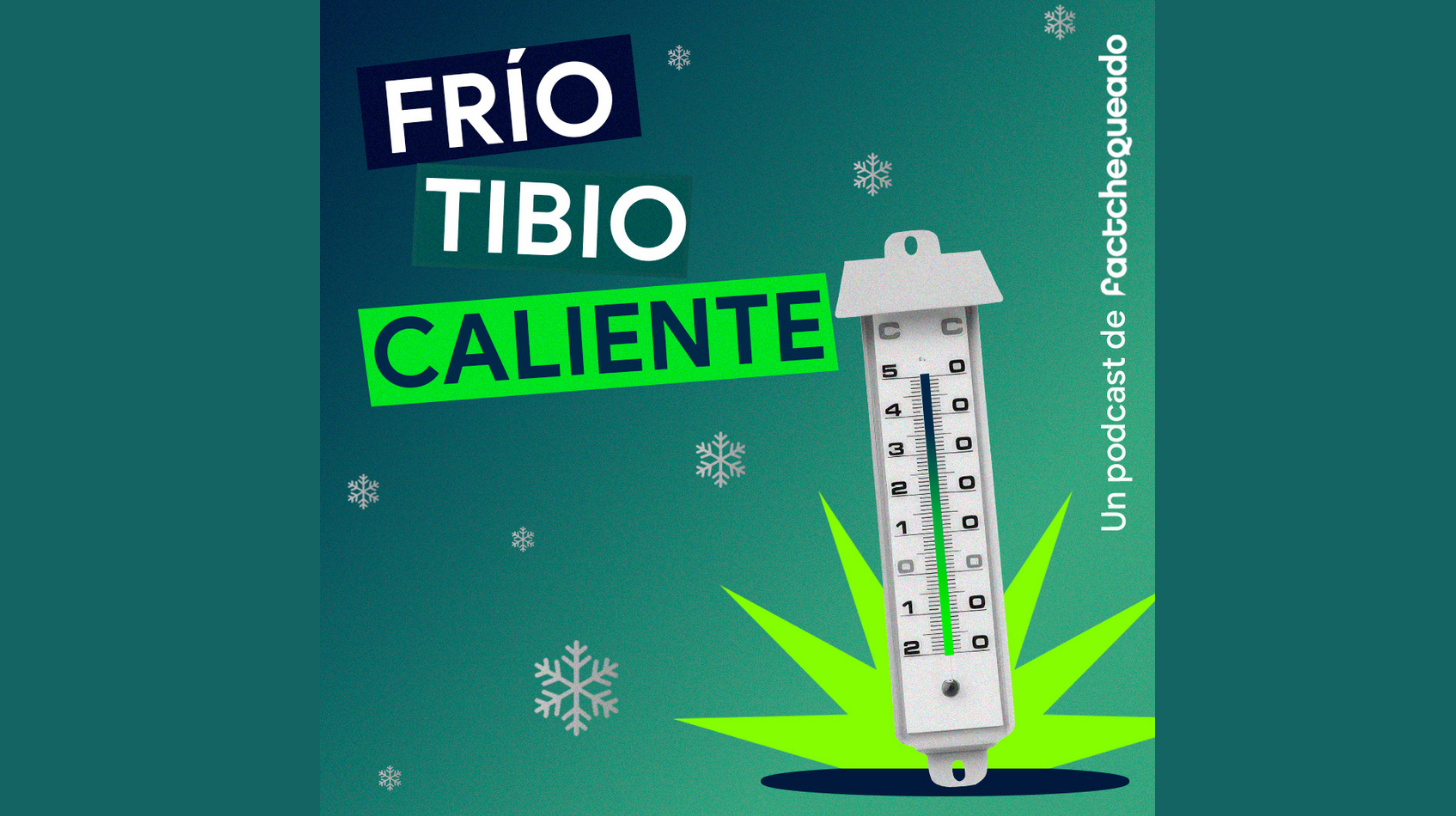
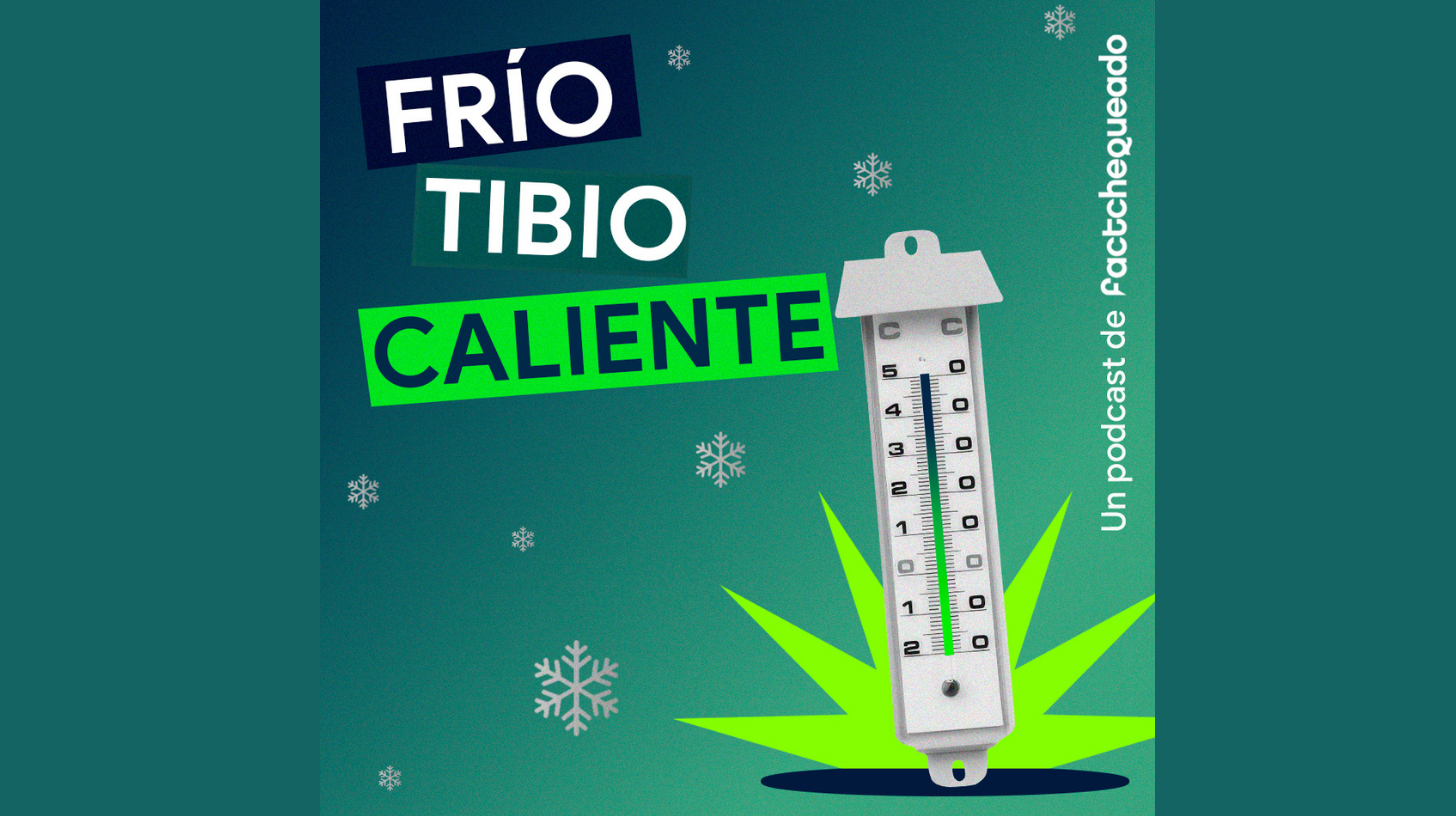
Did you know that mosquitoes bite you more when you’re drunk? Or that Frankenstein was born in a year without a summer? These are just some of the topics covered in the episodes of “Frío, tibio, caliente,” Factchequeado’s new podcast produced by Sillón Estudios, which provides fact-checked information on climate change to Latino communities in the United States.
Available starting April 14, 2026, this podcast tells stories based on curious questions, surprising situations, and evidence-based explanations.
In its first season of eight episodes, the podcast addresses questions such as whether hurricanes named after women are deadlier, whether Death Valley in California is really the hottest place on Earth, and whether sunsets look more beautiful because of pollution.
With accessible, rigorous storytelling that connects with people’s daily lives, “Cold, Warm, Hot” brings scientific information and reliable advice on a topic that directly affects the health, work, finances, and safety of millions of people.
You can listen to “Frío, Tibio, Caliente” on Spotify, YouTube, and other platforms starting April 14, 2026. Follow us here so you don’t miss the first episode!
The production of this podcast’s episodes has been made possible thanks to the support of Climate Power in Action.
Eight episodes to understand the climate through everyday questions
In the first episode, the podcast explores how the tradition of naming hurricanes began, what the scientific evidence actually says about the idea that cyclones with female names might be perceived as less threatening, and what this debate reveals about our biases, along with tips to protect yourself in the event of a hurricane.
The second episode focuses on extreme heat, discussing temperatures in California’s Death Valley, how heat waves affect health and the economy, and why Latino communities in the United States face greater occupational risks from this phenomenon, along with—of course—tips to protect yourself in the event of extreme heat.
In the third episode, the focus is on sunsets with intense colors and how that visual beauty could also be a sign of pollution. It also explains how light scattering occurs in the atmosphere, its interaction with airborne particles, the health impacts of that pollution, and how to protect yourself.
The fourth episode addresses wildfires and mentions birds that set forests ablaze and technologies like the helitorch. It also examines why wildfires hit Latino communities hardest and what steps can be taken to be prepared.
In the fifth episode, the podcast answers a question as curious as it is relevant: is it true that mosquitoes bite you more if you’re drunk? From there, it delves into how these insects transmit diseases such as dengue, malaria, Zika, yellow fever, and chikungunya, and how climate change affects them.
The sixth episode discusses the “Year Without a Summer” of 1816, during which Mary Shelley wrote Frankenstein. It also examines the current dangers of extreme cold, winter storms, and the need for emergency preparedness.
The seventh episode recounts how, in the past, major floods were thought to be processes of “cosmic cleansing,” but it also examines the dangers of flash floods and how to prepare for them.
The final episode of this series also addresses water, but in this case, from the perspective of rising sea levels. It explains how some islands are disappearing and what certain cities are doing to adapt.
A fact-checked audio journalism project
“Cold, Warm, Hot” is Factchequeado’s first podcast. It was produced by Sillón Estudios.
It is narrated by Irene García Calvo. The scripts were written by Felipe Useche, with research by Felipe Useche, Pablo Convers, and Isabel Rubio, and edited by Ana María Carrano.
General production is by Sara Trejos and executive production is by Laura Zommer. Editing and sound design are by Maru Lombardo, with music by Epidemic Sound. The podcast’s graphic design is by Julieta Licandro Meta.
Where to listen and follow Factchequeado
“Frío, tibio, caliente” is available on Spotify, YouTube, and other podcast platforms.
You can find more verified content and information at factchequeado.com and on all of Factchequeado’s social media channels:
Instagram: https://www.instagram.com/factchequeado/
TikTok: https://www.tiktok.com/@factchequeado
YouTube: https://www.youtube.com/@Factchequeado
WhatsApp: https://whatsapp.com/channel/0029Va6VZZuDDmFSboHJQH0a
Facebook: https://www.facebook.com/factchequeado